Wolfson member authors new study on the link between coastline orientation and extinction risk of shallow marine animals
Wolfson member Dr Cooper Malanoski, a Post-Doctoral Research Assistant in the Department of Earth Sciences is the lead author in a recently published paper highlighting new scientific findings into marine extinction patterns.
The findings, published this week in Science, provide new insight towards understanding patterns of biodiversity distribution throughout Earth history to the present day, and highlight which modern species may be more at risk of extinction due to climate change.
Malanoski and his fellow researchers specifically investigated the impact on marine life of coastline geometry in shallow oceans over the past 540 million years and related extinction patterns. This work highlights the interactions between the orientation of the coastline itself and the persistence of various marine invertebrate species.
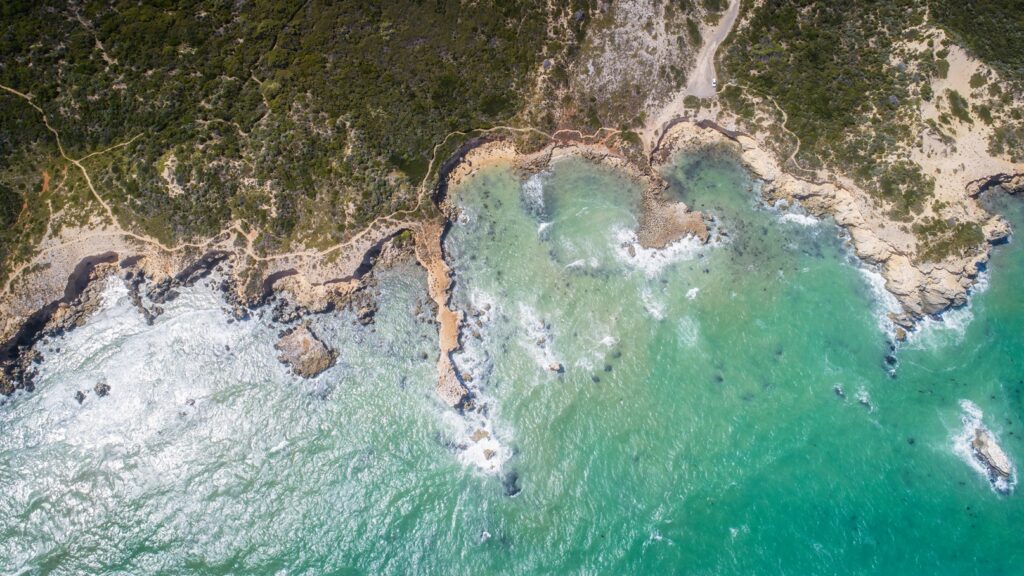
Analysing over 300,000 fossils from over 12,000 genera of marine invertebrates, the study revealed that the configuration of east-west orientated coastlines, islands or inlands seaways made species more vulnerable to extinction compared to a north-south orientated coastline. The migration of species to different latitudes was found to be easier in a north-south coastline. Species in this case were able to move through different latitudes allowing them to respond to changes in sea temperature and stay within their ideal temperature range. Conversely when species are trapped at one latitude, they are unable to avoid the unsuitable temperatures and may become extinct.
With anthropogenic climate change acting as a major player in increasing sea temperature, this work is key for determining conservation priorities.
Our congratulations to Dr Malanoski and the team at the Department of Earth Sciences. For further details, click here.